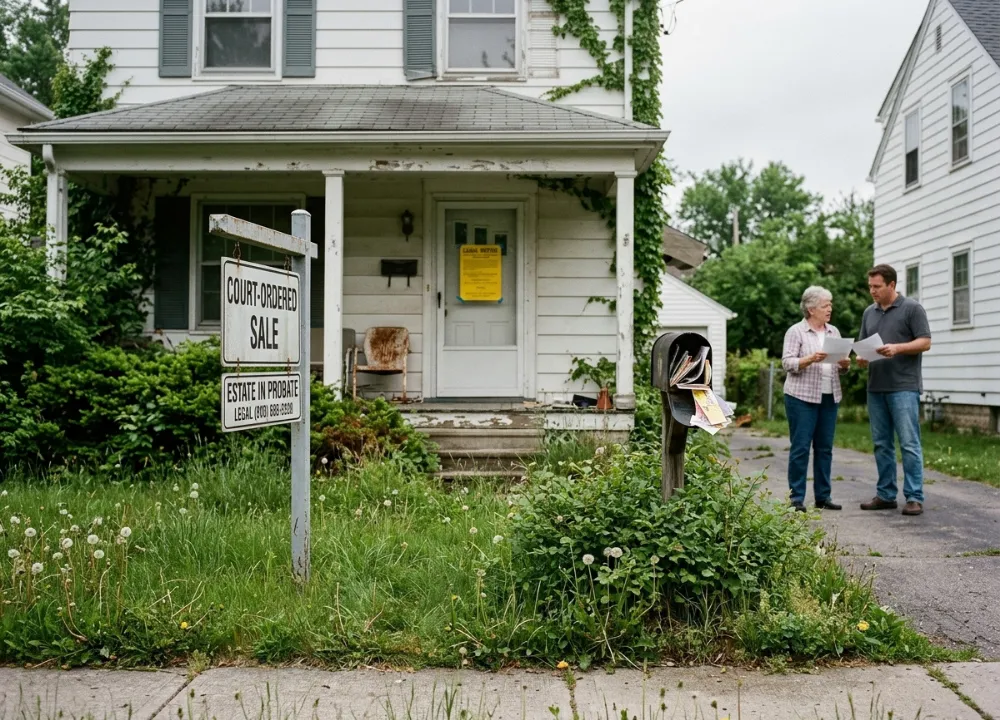
What Happens to a Home When There's No Will?
Dealing with a home without a will can leave families unsure about who inherits the property, who can make decisions and what happens if the home needs to be sold. Alberta has laws that guide what happens next. Understanding the process can help you avoid confusion, know what to expect and make informed decisions. Here’s what you should know.
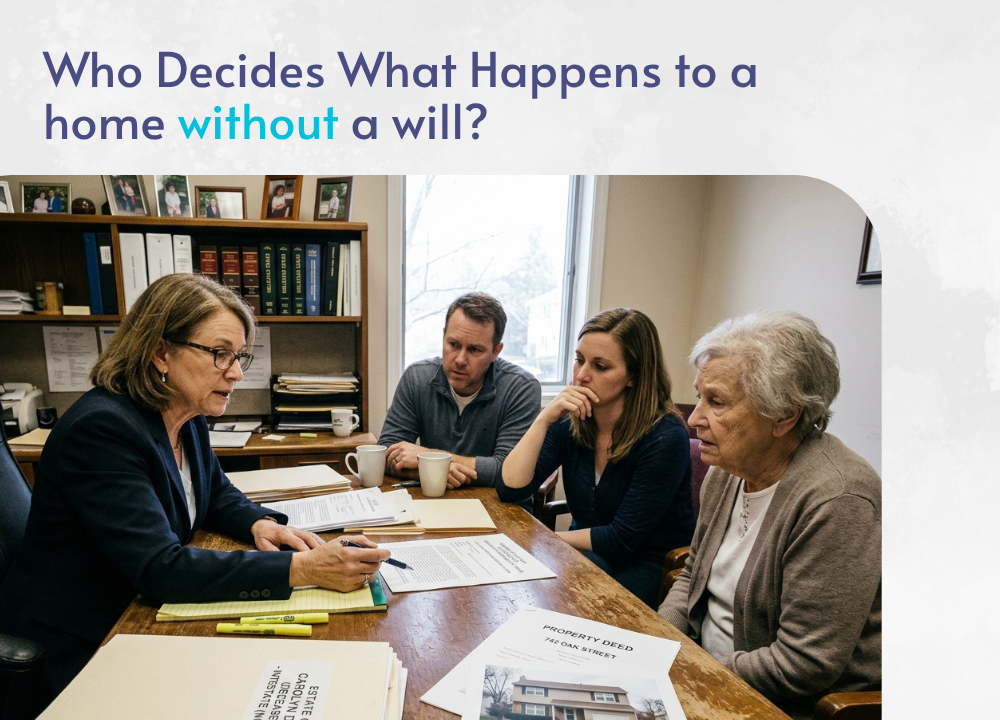
Who Decides What Happens to a home without a will?
When someone dies without a valid will, they are considered to have died “intestate.” In Alberta, the Wills and Succession Act determines how the estate is distributed and who may inherit.
The home does not simply go to whichever family member expects to receive it. Who inherits depends on the deceased person’s family circumstances, which may include a spouse or adult interdependent partner, children or other relatives.
Joint Ownership Can Change Things
Not every property necessarily becomes part of the estate. Some jointly owned property may pass directly to a surviving owner depending on how ownership is registered.
This is an important detail to confirm with an estate lawyer before making decisions about the property.
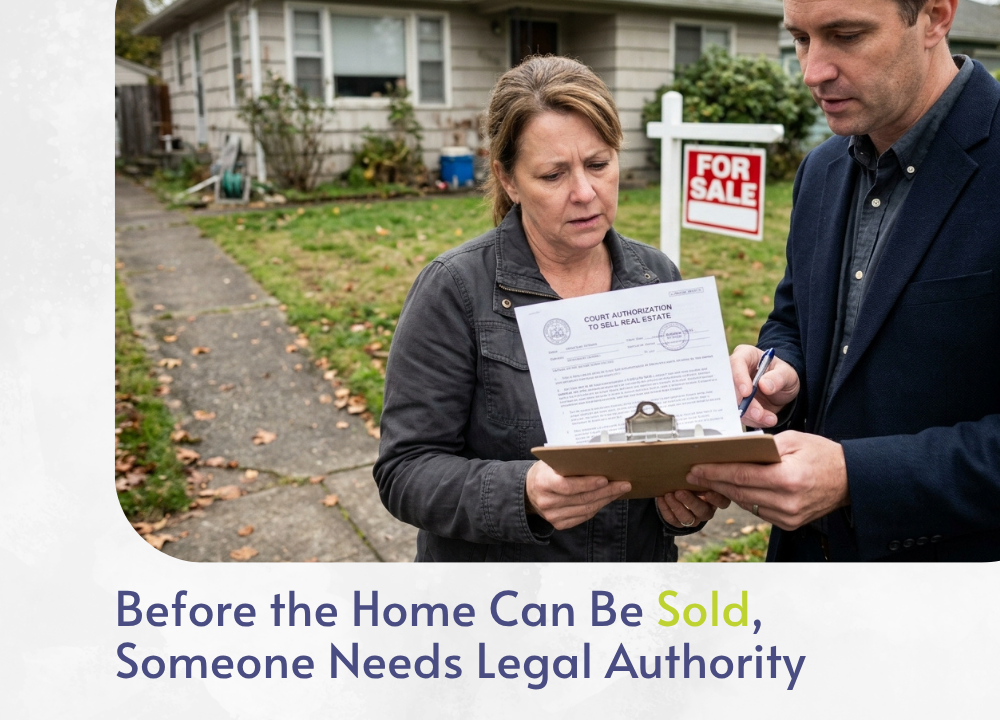
Before the Home Can Be Sold, Someone Needs Legal Authority
Without a will naming an executor, someone may need to apply to the court for a grant of administration. This gives a personal representative the legal authority to administer the estate.
Their responsibilities may include:
Identifying assets and liabilities
Managing estate property
Paying debts and other obligations
Distributing the remaining estate to beneficiaries
Before listing the home, families should confirm who has the authority to make decisions and sign documents on behalf of the estate.

Does the Home Have to Be Sold?
A home without a will does not automatically need to be sold. Depending on the circumstances, beneficiaries may consider keeping the property, transferring ownership where appropriate or selling it as part of settling the estate.
Understand the Property Before Deciding
Before making that decision, look at the practical side of the property.
Consider the mortgage, taxes, insurance, maintenance costs, condition of the home and its current market value. If multiple beneficiaries are involved, having clear information about the property can make those conversations easier.
A professional market assessment can also help beneficiaries understand what the home could realistically sell for before deciding what to do next.

Selling an Estate Property in Edmonton: What Families Should Know
An estate sale can involve more moving pieces than a typical home sale. There may be legal requirements to complete, multiple family members involved and a property that needs preparation before going to market.
An experienced Edmonton real estate agent can help determine market value, identify which repairs or improvements are worthwhile and develop a strategy for preparing, pricing and marketing the property.
The Dave Ozubko Real Estate Team can guide families through the real estate side of an estate sale while working alongside the lawyers and other professionals handling the estate.
When dealing with a home without a will, start by understanding who has authority to make decisions and what options are available. Once those pieces are clear, you can make an informed decision about keeping, transferring or selling the property without rushing an already complicated process.