Legal vs. Illegal Suites: Why It Matters When You Buy or Sell
Understanding the difference between legal and illegal suites can be confusing, especially when permits, rental income, financing, safety, and resale value are all involved. Legal vs. illegal suites in Edmonton can affect both buyers and sellers in ways that are easy to overlook. Knowing what to check can help you avoid costly surprises. Keep reading for the key details ahead.
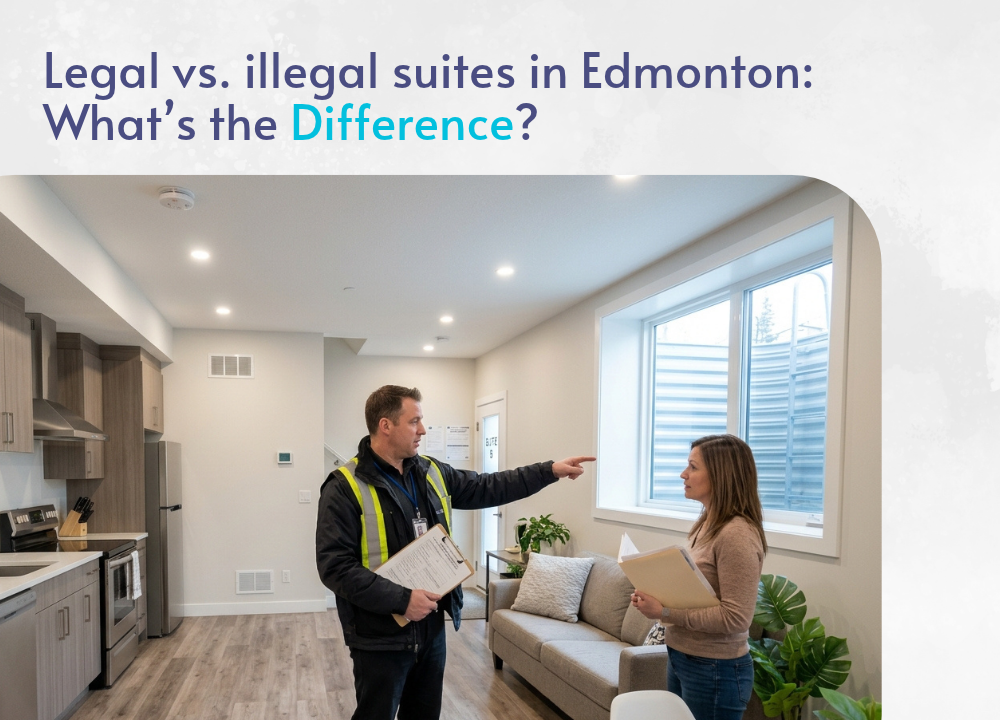
Legal vs. illegal suites in Edmonton: What’s the Difference?
A secondary suite is more than a basement with a kitchen and separate entrance. In Edmonton, it must meet applicable zoning, building, and safety requirements.
A suite may look completely finished and still not have the permits or approvals required to operate legally.
That is why buyers and sellers should never assume a suite is legal based on appearance, age, or how long it has been rented.
What Should You Verify?
Before relying on a suite as part of a purchase or sale, look for:
Development and building permits
Completed inspections
Applicable safety requirements
City records related to the suite
Any renovations completed after the original approval
Documentation matters because it gives you a clearer picture of what you are actually buying or selling.

Buying a Home With a Suite? Know What You’re Really Paying For
A secondary suite can be appealing because rental income may help offset monthly housing costs.
But that income should not be treated as guaranteed until the suite’s status has been verified.
Buyers should also speak with their lender and insurer. Financing and insurance requirements may vary depending on whether the suite is legal, how it will be used, and how the property is structured.
This is where Legal vs. illegal suites in Edmonton becomes more than a technical issue. It can directly affect affordability, risk, and long-term resale value.

Selling a Property With an Unpermitted Suite Can Get Complicated
An unpermitted suite does not necessarily make a home unsellable, but it does need to be represented accurately.
Sellers should understand the suite’s status before listing rather than waiting for a buyer, inspector, or lender to raise questions later.
Gathering documentation early can help:
Reduce surprises during negotiations
Support accurate marketing
Give buyers greater confidence
Help your agent position the property properly
The earlier you understand what you have, the easier it is to build a clear selling strategy.
Rental Income Isn’t the Only Issue
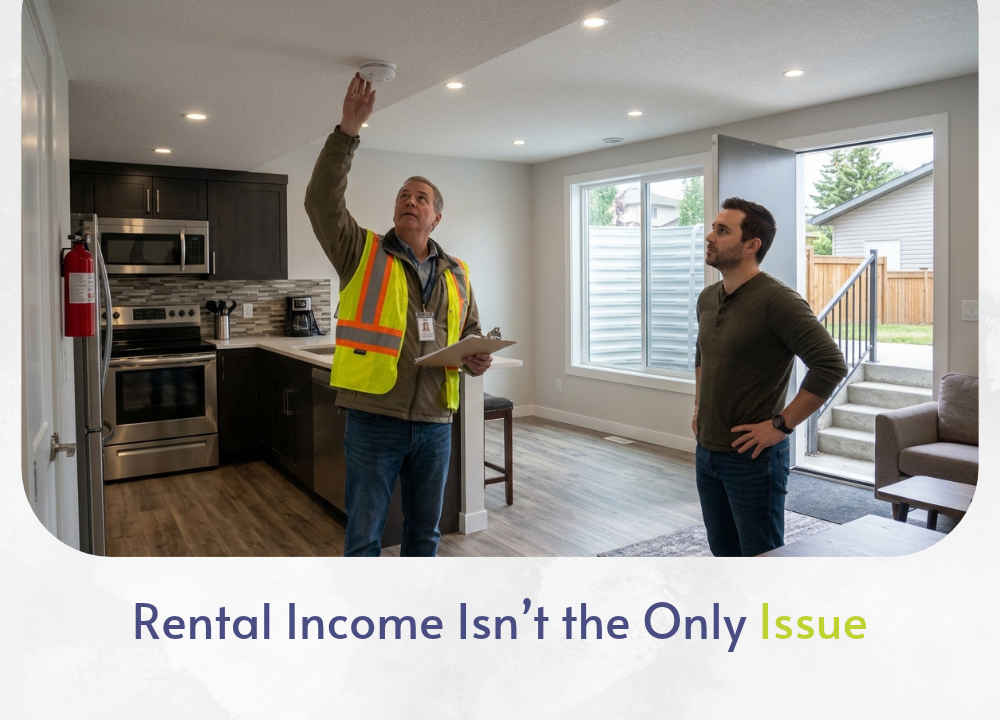
Secondary suite requirements also address safety.
Depending on the property, this can include requirements related to exits, bedroom windows, smoke and carbon monoxide alarms, fire separation, heating, ventilation, and other building systems.
That matters whether you are buying the property as an investment or planning to have family live in the suite.
A suite can be financially useful, but safety and compliance should always be part of the decision.

Before You Buy or Sell, Verify the Suite
Every suited property has a different history.
Some were professionally built and fully permitted. Others were added years ago, renovated over time, or created without completing the required approval process.
Before making a decision, verify what exists on record and ask questions before relying on rental income or assigning additional value to the space.
The Dave Ozubko Real Estate Team can help buyers and sellers understand how a suite is being represented, what questions should be asked, and how the property fits into the larger buying or selling decision.
Legal vs. illegal suites in Edmonton is not just a paperwork issue. It is about understanding the property clearly before you commit to your next move.