From House to Condo: What to Expect When You Downsize
Downsizing from house to condo can feel like a major shift, especially when you are weighing less maintenance against condo fees, shared spaces and a different day to day lifestyle. The right move starts with knowing what will change before you make it. Keep reading for the costs, lifestyle considerations and practical questions that can help you decide with confidence.
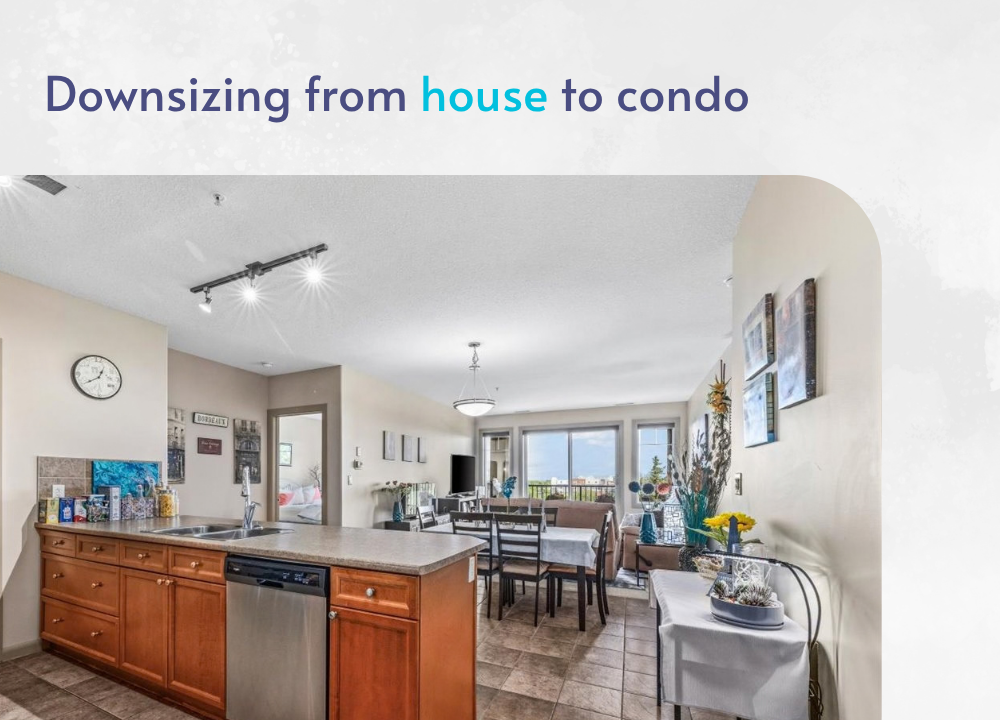
Downsizing from house to condo
Moving into a condo is not simply about having fewer rooms. It changes how you manage your home, how much responsibility you carry and how you spend your time.
For many homeowners, the appeal is less maintenance. There is no large yard to manage, less snow to shovel and fewer exterior projects competing for your weekends.
The trade off is giving up some control. The condominium corporation typically manages common areas and building maintenance while owners follow the bylaws and rules of the property.
Know What You Want to Leave Behind
Before looking at condos, think about what you are hoping to change.
Is it the yard work, unused bedrooms, ongoing repairs or the cost of maintaining a larger home?
Knowing the answer makes it easier to choose a condo that actually improves your lifestyle rather than simply reducing your square footage.

The Costs That Can Look Different Than You Expect
A condo may cost less than your current house, but that does not automatically mean your monthly expenses will be lower.
Condo fees become part of your regular budget. Depending on the building, they may help cover:
Exterior maintenance
Landscaping and snow removal
Building insurance
Common area utilities
Amenities
Reserve fund contributions
You may still need to budget for property taxes, personal condo insurance, utilities not included in the fees and regular household expenses.
Look Beyond the Monthly Fee
A low condo fee can look appealing, but it does not tell you the whole story.
The condominium documents provide important information about the corporation’s finances, reserve fund, bylaws and upcoming repairs. A building with higher fees but a healthy reserve fund may be very different from one with low fees and significant work ahead.
An experienced Edmonton REALTOR® can help you understand which documents should be reviewed and what questions to ask before removing conditions.

What You Gain When You Give Up the Yard Work
One of the biggest benefits of downsizing is often not financial. It is time.
Less property to maintain can mean more freedom to travel, spend time with family, enjoy hobbies or simply have a weekend without a list of home projects waiting for you.
Some condo buildings also offer conveniences such as underground parking, fitness rooms, social spaces, security features or on site management.
There are trade offs. You may have less storage, neighbours closer to you and rules around pets, renovations, parking or common areas.
The goal is not to avoid every compromise. It is to choose the compromises that fit your lifestyle.

Choosing a Condo That Fits Your Next Chapter
The right condo is not necessarily the newest building or the one with the longest amenity list. It is the one that supports how you want to live.
Consider:
Location and walkability
Parking and visitor parking
Storage
Pet restrictions
Accessibility
Noise and privacy
Building amenities
Proximity to family, shopping, healthcare and recreation
Think about your future needs too. Elevators, underground parking, single level living and easy access to everyday services may become increasingly valuable over time.
If you are considering Downsizing from house to condo, compare more than price and square footage. Look at the total cost of ownership, the condition and finances of the building and the lifestyle that comes with it.
The right move should give you less home to manage and more freedom to enjoy what comes next.