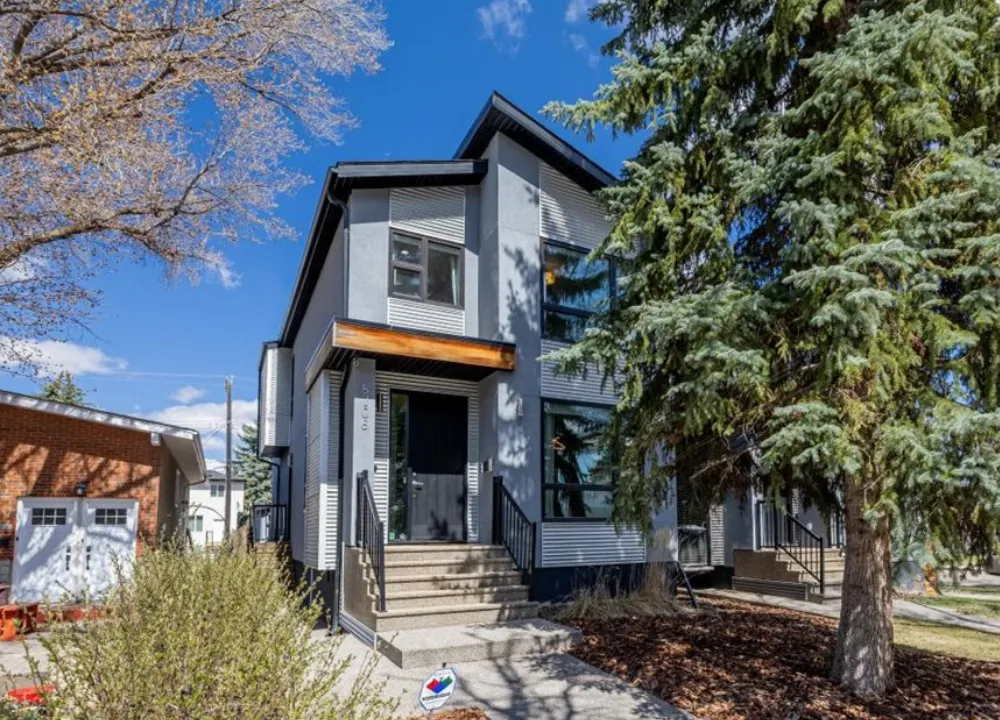
Buying a Home with a Legal Suite in Edmonton: Zoning & Income Potential
Buying a home with a suite can look like a smart financial move, but zoning, permits and rental rules can quickly make the decision more complicated. Understanding how Edmonton legal suite homes are regulated can help you buy with greater confidence. Here is what to know about legality, income potential and the details worth checking before you make an offer.

Why Edmonton legal suite homes appeal to today’s buyers
A legal secondary suite can give buyers more financial and lifestyle flexibility. Rental income may help offset monthly housing costs while the separate living space can work well for adult children, aging parents or extended family.
That flexibility may also make the home attractive to a wider range of future buyers.
The key is to look beyond projected rent. The suite should still make sense for your budget, lifestyle and long-term plans.
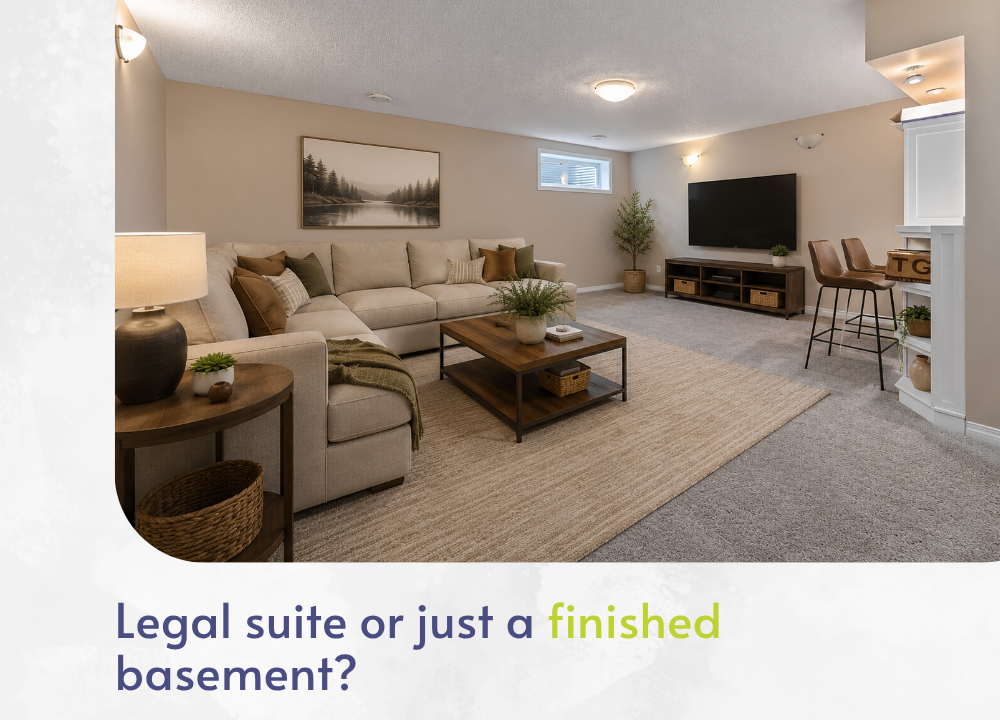
Legal suite or just a finished basement?
A basement with a kitchen, bedroom and separate entrance is not automatically a legal secondary suite.
In Edmonton, secondary suites require permits and must meet applicable building and safety requirements. Before paying a premium for a home advertised with a legal suite, verify that the proper approvals are actually in place.
Ask for the paperwork
Buyers should review:
Development and building permits
Applicable electrical, plumbing, gas and HVAC permits
Completed inspections
Documentation confirming the suite was approved
A basement that was simply designed or roughed in for a future suite is not the same as an approved legal suite.

Zoning and permits: what buyers should check before making an offer
Edmonton allows secondary suites in many residential housing types, but buyers should still confirm the zoning and permit history for the individual property.
This matters when comparing Edmonton legal suite homes because 2 properties can appear nearly identical while having very different approval histories.
Build verification into your due diligence
Before removing conditions, confirm:
The property’s current zoning
Whether the suite has required permits
Whether inspections were completed
Whether later renovations changed the approved layout
Whether your lender and insurer accept the property configuration
Getting these answers early can help avoid expensive surprises after possession.

How much income could a legal suite realistically generate?
Rental income can help make homeownership more affordable, but it should never be treated as guaranteed.
Rent will vary depending on neighbourhood, suite size, condition, natural light, privacy, parking, laundry and proximity to transit or amenities.
Run the numbers conservatively
When deciding whether the property works financially, consider more than the advertised rent.
Factor in:
Possible vacancy
Utilities
Repairs and maintenance
Insurance
Property management costs, if applicable
Your responsibilities as a landlord
Compare similar current rentals instead of relying only on a seller’s projected income.

Look beyond the rent before deciding if the home is right for you
A secondary suite changes how the entire home functions. Consider sound transfer, parking, separate entrances, laundry, storage and whether outdoor areas need to be shared.
Privacy can be just as important as income. A great-looking suite may feel less appealing if tenants walk directly past your patio or both households compete for limited parking.
An experienced Edmonton buyer agent can help you compare similar sales, review how much value a suite may add and identify questions that should be answered before you commit.
The right home is not simply the property with the highest projected rent. It is one where the home, suite and financial picture work together for your lifestyle and long-term goals.